






ECA and UKPN launch EV guide
|
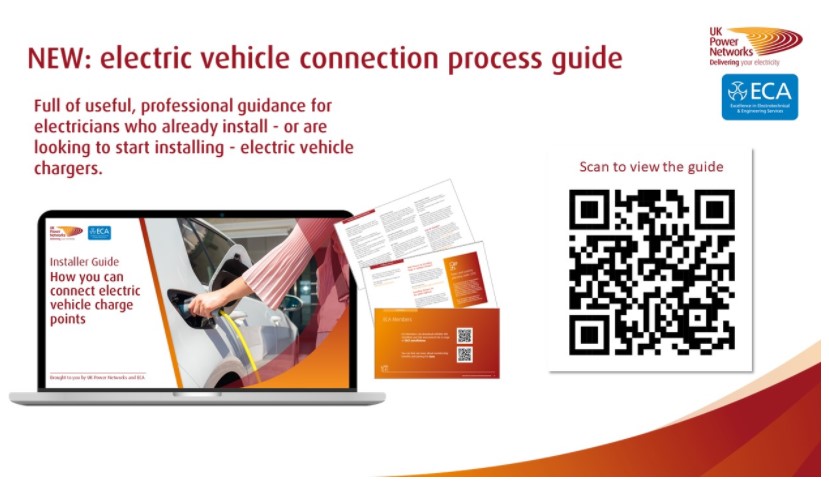
In January 2022, UK Power Networks and the Electrical Contractors' Association (ECA) released a new guide to the connections process for installers interested in moving into the growing electric vehicle (EV) market.
The network operator estimates that only a small proportion of electricians in its patch are currently trained to install chargers for customers. Figures show around 4,500 registered installers operate in the area, with as many as 2.7 million EVs forecasted by 2028.
Luke Osborne, ECA’s energy and emerging technologies solutions advisor said, “With the rapidly rising demand for EV charging points, it is vital we don’t take short cuts to ensure safe installation. This guide will help professional electricians pivot their business to new opportunities and play their part in the drive to net zero.”
The guide aims to demystify the process for potential new installers so they can begin connecting chargers. The document features quick access to a range of useful information, including installation processes, technical considerations, earthing arrangements and inspection requirements.
The guide takes installers through the nine different type of electricity supplies that can be used for EV charge points on UK Power Networks’ network, including help on how to install ‘vehicle to grid’ (V2G) chargers which release car battery energy into the local grid. It also features details on regulations, permissions and safety rules helping installers stay safe and compliant at work.
It includes extra resources for ECA’s 2,700 members that range from SME electrical firms to nationwide engineering contractors and building services firms that employ thousands of professionals on major UK projects.
There are already over half a million EVs registered in the UK, with the sale of new petrol and diesel cars and vans set to end by 2030. UK Power Networks’ distribution area is currently at the forefront of the switch, with an estimated 29% of all EVs charging from its grid.
Despite the impacts of the COVID-19 pandemic, 2021 saw a record growth of new battery and hybrid sales while petrol sales declined by 15%.
Ian Cameron, head of customer services and innovation at UK Power Networks, said, “Millions of electric cars will be connecting to our networks in the next decade. To reach net zero emissions by 2050, we’re going to keep working with industry bodies like the ECA and the thousands of installers in our areas to keep making net zero a reality.”
This article originally appeared on the ECA website. It was published on 19 January 2022.
--ECA
[edit] Related articles on Designing Buildings
- Articles by the Electrical Contractors' Association (ECA).
- Electric car charging stations - what you need to know.
- Electric vehicles.
- Key notes on electric car charging points.
- London car charging infrastructure.
- New style EV charging stations.
- Opportunities for EV charging.
- Pop-up electric vehicle charge points.
- Two thirds of local authorities have no plans to install EV chargers.
- Vehicle to grid.
[edit] External resources
Featured articles
Check out some of the best features and news from Designing Buildings as well as key stories from around the web.

Government launches a one stop shop for flood preparedness.

Sir Edwin Lutyens: Britain's greatest architect? Book review.

CIOB publishes free template to help assess and manage risks.
ECA's reflections on Party Conference season

Burnham wants to be confident of winning before asking for a fresh mandate.
New Chief Construction and Scientific Adviser

Sergio Cavalaro, Professor of Infrastructure Systems at Loughborough University.
Building safety levy for England

CIAT publish estimator tool for members.

Water sector faces a growing crisis that could slow the delivery of vital infrastructure.
Undervaluing our industrial past

Heritage value changes as taste for building styles changes.
Changing expectations around competence and compliance

New information sheet from CIAT.
Grenfell investigation files passed to CPS

Angela Rayner apologises on behalf of the British state.

Electrical contractors need to understand the practical implications.

The real barrier to getting more value from digital technology.